

By Marko Kovacevic
Manifest 2026 confirmed something important: Supply chain transformation is no longer vertical; it is horizontal. This year in Las Vegas was insightful, pragmatic, and energizing. It opened new horizons. Four shifts stood out to me:
1. Horizontal Supply Chain Upgrade Is Accelerating
· What stood out most in Las Vegas was the clear acceleration of horizontal supply chain integration. The conversation is no longer about optimizing isolated functions; it is about connecting the full value chain, from Bill of Materials (BOM) cost structure and sourcing to manufacturing, logistics, inventory, and last-mile delivery.
· Technology providers and operators are increasingly focused on embedding intelligence directly into operational workflows, not simply layering on additional analytics. The real progress is happening where data, systems, and execution intersect. The supply chain is becoming more synchronized end-to-end, and that shift is strategic.
2. Robotics and AI: Moving from Buzz to Measurable Use Cases
· There is strong traction in robotics and physical automation. Warehousing, yard management and fulfillment environments are becoming meaningfully more automated, supported by clear ROI logic.
· AI, while still early for many organizations, is beginning to show measurable use cases, particularly in forecasting, optimization, and decision support. The tone at Manifest was pragmatic. AI is no longer just a buzzword, but it is not yet fully scaled either. The winning organizations are those investing in data readiness, integration capability, and disciplined experimentation.
3. Resilience Through “Constellations of Value”
· Resilience is evolving from a defensive posture to a strategic design principle. What I observed is a growing recognition that no company builds resilience alone.
· Global partnerships are deepening, and organizations are creating interconnected ecosystems, what we at DSCI describe as “Constellations of Value.” By linking horizontally across suppliers, manufacturers, logistics providers, and customers, companies are building networks that are more efficient, more adaptive, and more value-creating.
· This collaborative model strengthens effectiveness and customer value. It reflects a structural shift toward shared competitiveness rather than isolated optimization.
4. Cybersecurity as the Foundation of Visibility and Trust
· As digital integration increases, cybersecurity becomes foundational. It is no longer an IT topic; it is a supply chain leadership priority.
· Secure data exchange across Tier 1, 2, and 3 suppliers is essential for achieving true visibility and resilient orchestration. Without trust in the data layer, horizontal integration cannot scale.
· The leaders at Manifest were clear: cyber resilience must be embedded into supply chain design, governance, and partnership frameworks from the beginning.
Overall Reflection
Manifest 2026 confirmed that supply chains are entering a more intelligent, collaborative and security-anchored era. The transformation is real, but it requires disciplined execution.
The organizations that will lead are those that combine horizontal integration, pragmatic AI adoption, ecosystem partnerships, and secure digital infrastructure, all aligned around delivering stronger customer value.
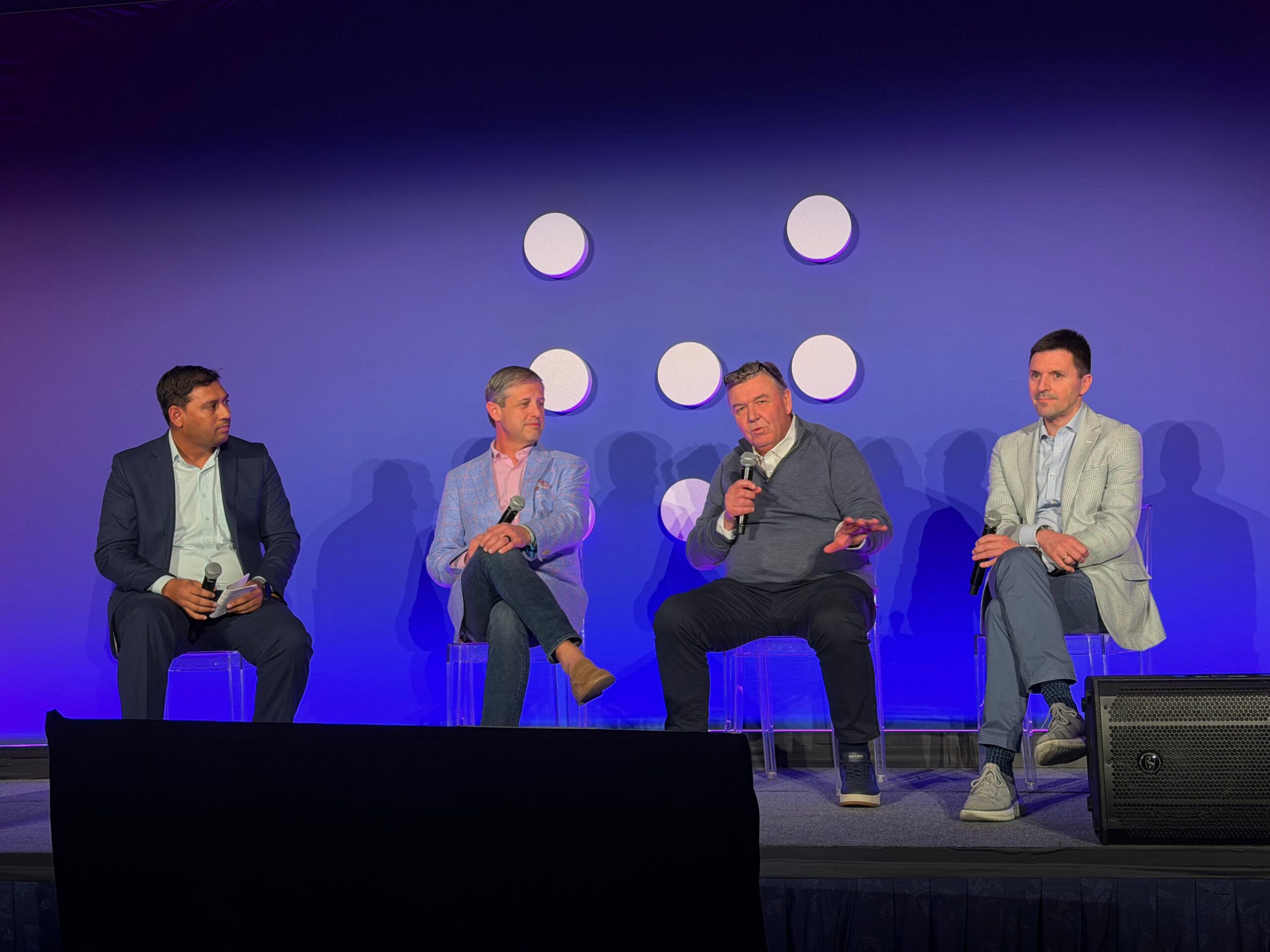
A special thank you to Samsung SDS and Vertiv for a strong, forward-looking session together. The dialogue was honest, practical, and future-oriented. Manifest 2026 was motivating. I already look forward to Manifest 2027.